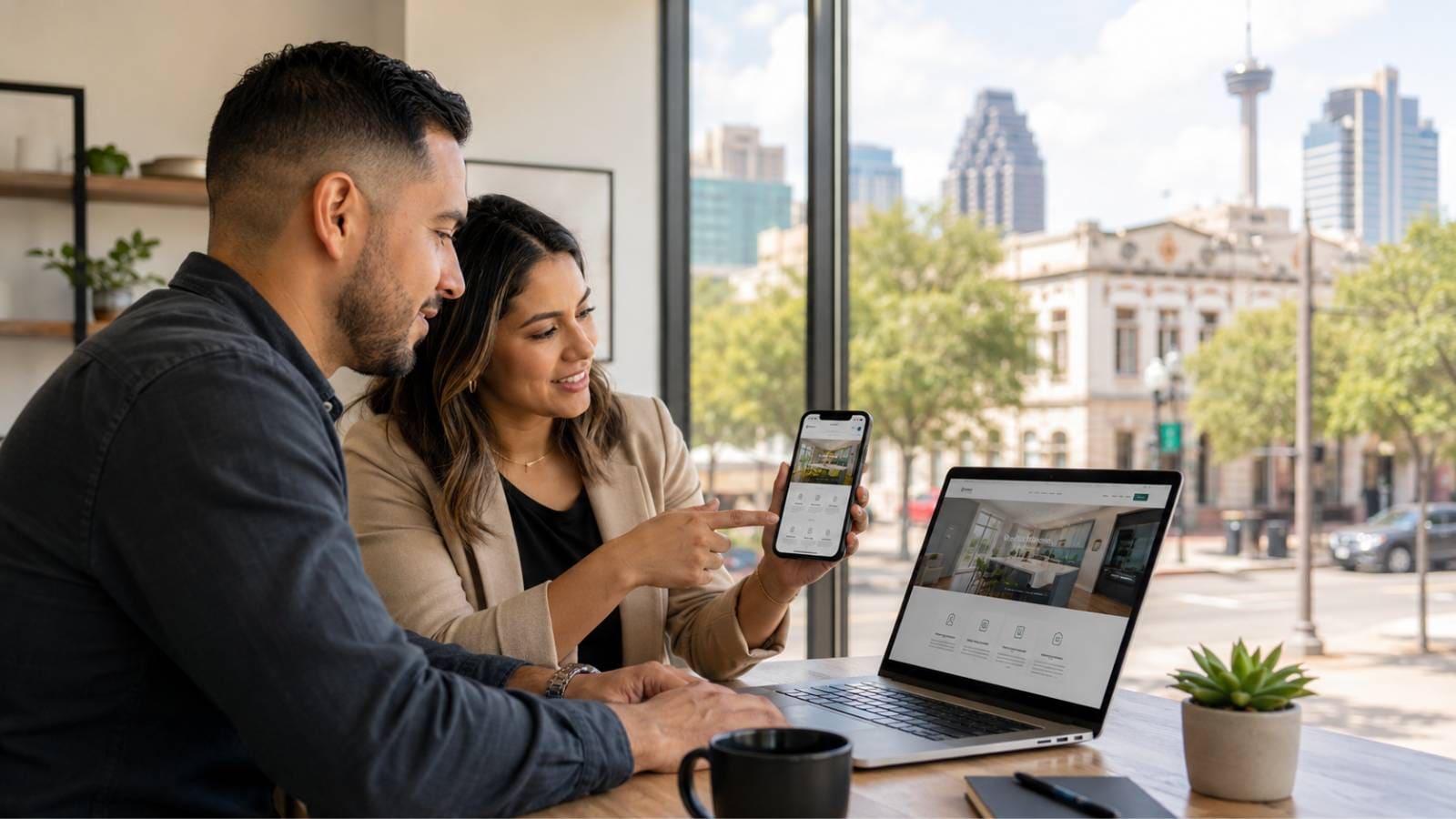
San Antonio is not a small market, and Bexar County businesses do not have the luxury of treating every lead the same. A homeowner in Alamo Heights, a parent in Stone Oak, a contractor near Leon Valley, a patient in the Medical Center, and a shopper on the South Side may all interact with the same business differently. Some are ready to buy today. Some are comparing options. Some need time, trust, and a few helpful reminders before they make a decision.
That is where email marketing earns its place. Search and paid ads can help a San Antonio business get found. Social media can help the brand stay visible. But email is one of the few channels where a business can continue the conversation after the first click, call, form fill, quote request, appointment, or store visit.
For Bexar County companies, the point of email is not to blast a list with random promotions. The point is to build a practical communication system that turns attention into trust, trust into action, and one-time customers into repeat customers.
This matters because Bexar County is large, growing, and competitive. The U.S. Census Bureau estimated Bexar County's population at 2,160,088 as of July 1, 2025, up from 2,127,737 in 2024. A larger local market creates more opportunity, but it also creates more competition for attention, inbox space, and loyalty.
Why Email Still Matters for San Antonio Businesses
Email may not feel as flashy as TikTok, Google Ads, or short-form video, but it remains one of the most useful marketing channels for businesses that need repeat contact with their customers. A person may not need a roof repair, legal consultation, dental appointment, vehicle service, tax professional, home remodel, med spa appointment, or financial consultation the first time they visit a website. Email gives the business a way to remain useful until the timing is right.
The key is permission and relevance. People do not want more clutter in their inbox. They do want reminders, offers, education, updates, and helpful information from companies they already know or are considering.
In San Antonio, email can be especially effective because local buying decisions often involve trust. Many customers want to know who they are working with. They care about responsiveness, community connection, reputation, and whether a business understands the local market. A consistent email program helps reinforce those signals over time.
Email Helps Close the Gap Between Interest and Action
A common mistake is assuming every website lead is ready to become a customer immediately. In reality, many leads need follow-up. They may need a reminder to schedule. They may need answers to common questions. They may need proof that the company is reputable. They may need a seasonal prompt. They may need a reason to come back.
Email gives businesses a structured way to handle that middle stage. Instead of letting a lead go cold after one form submission, a business can create a series of useful messages that educate, reassure, and guide the customer toward the next step.
Start With the Right Email List, Not the Biggest Email List
The quality of the list matters more than the size of the list. A smaller list of real customers, qualified leads, past buyers, newsletter subscribers, estimate requests, appointment inquiries, and loyalty members will usually be more valuable than a large list of people who did not clearly ask to hear from the business.
For San Antonio businesses, list-building should happen through real customer touchpoints: website forms, quote requests, appointment bookings, checkout, event signups, gated guides, service reminders, referral programs, and post-purchase follow-ups.
The question is simple: did the person give the business a reasonable reason to contact them? If yes, the business can build from there. If no, adding them to a promotional list can hurt trust, deliverability, and compliance.
Useful List Segments for Bexar County Businesses
- New leads who requested information but have not scheduled or purchased yet.
- Past customers who may need service reminders, replenishment, maintenance, renewals, or seasonal updates.
- High-value customers who may be good candidates for loyalty offers, referral campaigns, or review requests.
- Location-based audiences, such as customers near Stone Oak, Downtown, Alamo Ranch, the Medical Center, Converse, or Helotes.
- Interest-based audiences, such as homeowners, small business owners, families, commercial accounts, or previous buyers of a specific service.
Segmentation does not have to be complicated at the start. Even separating new leads from past customers can dramatically improve relevance. A new lead needs confidence. A past customer may need a reminder. A loyal customer may need appreciation. Treating all three the same is where many campaigns lose performance.
Build Nurture Sequences Around Local Buying Behavior
A nurture sequence is a planned set of emails sent after someone takes an action. For example, when someone requests a quote, downloads a guide, books a consultation, joins a newsletter, or becomes a customer, they can receive a short series of emails designed around that stage of the relationship.
For a Bexar County business, this does not need to sound corporate. It should sound helpful, clear, and local. A good nurture sequence can answer the questions a salesperson would normally answer one-on-one.
Example: New Lead Nurture Sequence
- Email 1: Thank them for reaching out and explain what happens next.
- Email 2: Answer a few common questions or objections related to the service.
- Email 3: Share a short proof point, customer story, or process detail.
- Email 4: Offer the next step, a call, consultation, estimate, or appointment.
- Email 5: A friendly check-in for those who have not responded yet.
A sequence like this turns a single lead form into a real follow-up system instead of a dead end.
Use Email to Connect SEO, PPC, Social, and Content
Email becomes far more powerful when it works with the rest of the marketing system. Send recent blog posts to leads based on the service they asked about. Use email to follow up with paid ad leads who did not book right away. Turn frequently asked sales questions into short educational emails. Invite happy customers to leave reviews. Share local updates, seasonal reminders, and service-area announcements that support neighborhood relevance.
Make Mobile Readability a Priority
Many customers will read email on a phone, sometimes while multitasking between work, family, errands, and appointments. A beautiful desktop email does not help if it is hard to read on mobile.
Pew Research Center reported that nine-in-ten U.S. adults use the internet daily, and 41% say they are online almost constantly. For local marketers, that reinforces a practical point: customers are digitally present, but their attention is fragmented. Short subject lines, scannable layouts, single-column design, large tap targets, and a clear CTA above the fold are not nice-to-haves, they are how mobile readers decide whether to keep reading.
Measure What Actually Matters
The better question is not "did people open the email?" It is "did the email move the relationship forward?"
Useful email marketing KPIs include:
- Click-through rate: are subscribers taking the next step?
- Reply rate: are people engaging directly with the business?
- Booking or form completion rate: are emails creating measurable opportunities?
- Lead-to-customer rate: are nurtured leads converting over time?
- Repeat purchase or repeat appointment rate: are past customers coming back?
- Unsubscribe and spam complaint trends: is the business maintaining trust?
For many Bexar County businesses, the best email reporting connects the campaign to the CRM, call tracking, booking tool, ecommerce system, or lead log. That is how the business sees which emails create real revenue opportunities, not just inbox activity.
Stay Compliant and Respect the Inbox
Email marketing must be compliant and respectful. The FTC's CAN-SPAM guidance requires honest header information, non-deceptive subject lines, identification as an ad when applicable, a valid physical postal address, a clear opt-out method, and prompt honoring of opt-out requests.
Beyond compliance, respect the inbox. Send when you have something useful to say. Sunset inactive contacts instead of repeatedly emailing people who have stopped engaging.
Email Ideas That Work in Bexar County
- Home services: Seasonal maintenance reminders, storm preparation tips, service checklists, financing reminders, and post-service follow-ups.
- Healthcare and wellness: Appointment reminders, educational tips, new service announcements, patient resources, and reactivation campaigns.
- Professional services: Explainers, deadline reminders, consultation invitations, case-study-style lessons, and lead nurture sequences.
- Restaurants and hospitality: Event announcements, loyalty offers, menu updates, catering reminders, and neighborhood promotions.
- Retail and ecommerce: New arrivals, restock alerts, loyalty messages, birthday offers, abandoned cart follow-ups, and customer education.
- B2B companies: Industry insights, project spotlights, service explainers, webinar invitations, and account-based follow-ups.
The content should match the customer's stage. A first-time lead may need education. A returning customer may need convenience. A loyal customer may appreciate exclusivity. A cold subscriber may need a reason to re-engage.
Final Takeaway
San Antonio and Bexar County businesses operate in a large, competitive, relationship-driven market. Getting a lead is only the beginning. The real opportunity is in what happens after the first interaction.
Email marketing gives local businesses a way to stay connected, answer questions, build trust, encourage repeat business, and support every other marketing channel. When it is segmented, compliant, mobile-friendly, and tied to real business outcomes, it becomes one of the most practical tools for turning Bexar County leads into repeat customers.
Ready to turn more San Antonio leads into repeat customers? BRT Digital can review your email list, lead forms, follow-up process, and nurture strategy to identify where prospects are falling through the cracks. Request an email marketing and lead nurturing audit or book a strategy call.